Precision trenchless methods
At PNW TRENCHLESS, choosing the right trenchless method for your unique job isn’t guesswork — it’s a disciplined process backed by decades of field experience, engineering judgment, and proven outcomes. We match the problem to the solution so you get the most reliable, cost-effective, and least-disruptive repair or replacement every time.
Why our selection process matters
Minimized risk: Selecting the wrong method can add months to a schedule, balloon costs, or create recurring issues. Our assessments reduce those risks by evaluating the full site conditions and asset history before recommending a plan.
Optimized cost and schedule: We balance lifecycle value, upfront cost, and downtime to deliver an option that meets your budget and timeline — not a one-size-fits-all answer.
Reduced disruption: Trenchless options are chosen to protect landscaping, roadways, and operations. We prioritize methods that keep your facility, property, and community functioning during the work.
How we choose the proper method for your unique job
Comprehensive site evaluation
Inspect line access points, soil conditions, surface use, and nearby utilities.
Review existing pipe material, diameter, alignment, and condition with CCTV and other diagnostics.
Consider environmental constraints, regulatory requirements, and owner priorities.
Clear objective-setting
Define the desired outcome: structural renewal, leak/stoppage repair, hydraulic improvement, or temporary bypass.
Prioritize critical success factors: service life, capacity changes, surface restoration limits, and schedule windows.
Method selection based on fit, not preference
Pipe bursting: Ideal when full-pipe replacement is required and improved diameter is desired without open trenching.
Pipe lining (CIPP): Best for structurally sound host pipes that need renewal with minimal excavation and long service life.
Point repairs and localized relining: Opt for focused repairs when damage is isolated and full replacement isn’t justified.
Cost-benefit and constructability analysis
We produce a clear comparison of lifecycle cost, installation timeline, traffic and service impacts, and restoration needs.
Value engineering is used to refine options and deliver measurable savings without compromising performance.
Transparent recommendation and execution plan
You receive a straightforward recommendation with the technical rationale, schedule, and budget estimate.
Our crews follow a disciplined QA/QC process during construction so the selected method achieves the expected outcome.
What sets PNW TRENCHLESS apart
Experienced multidisciplinary team: engineers, project managers, and field crews who have completed hundreds of trenchless projects across utilities, municipalities, and commercial sites.
Data-driven decisions: we rely on CCTV, geotechnical input, and real-world performance metrics — not sales-driven defaults.
Safety and compliance focus: strict adherence to local codes, environmental protections, and industry best practices.
Single-source accountability: from evaluation and design to installation and post-construction verification.
Deliver predictable results with minimal disruption When your project requires a trenchless solution, you need a partner who picks the right tool for the job — not the most familiar one. PNW TRENCHLESS provides a disciplined selection process, clear communication, and expert execution so your unique job gets the optimal trenchless method for long-term performance and value.
Contact us to schedule a site assessment and receive a tailored recommendation for your project.
pipe bursting
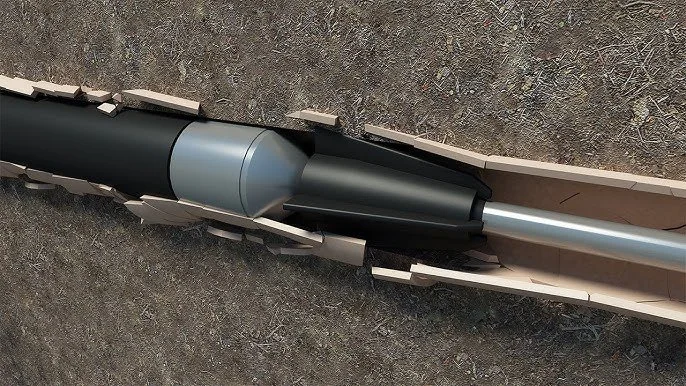
Pipe bursting is a trenchless sewer and water line replacement method that uses hydraulic force to break apart an existing pipe while simultaneously pulling a new pipe into place, minimizing excavation and surface disruption. Technicians insert a bursting head into the old line via small access pits; as the head advances, it fractures the deteriorated pipe outward into the surrounding soil and draws a continuous new pipe—often HDPE or PVC—behind it, creating a durable, joint-free replacement. This technique is effective for a range of materials and diameters, reduces restoration costs and project timelines compared with open-cut replacement, and is well suited for residential yards, sidewalks, and roadways where preserving landscaping and infrastructure is a priority. Proper site evaluation, video inspection, and utility locating are essential beforehand to ensure alignment, capacity, and safety.
Pipe lining
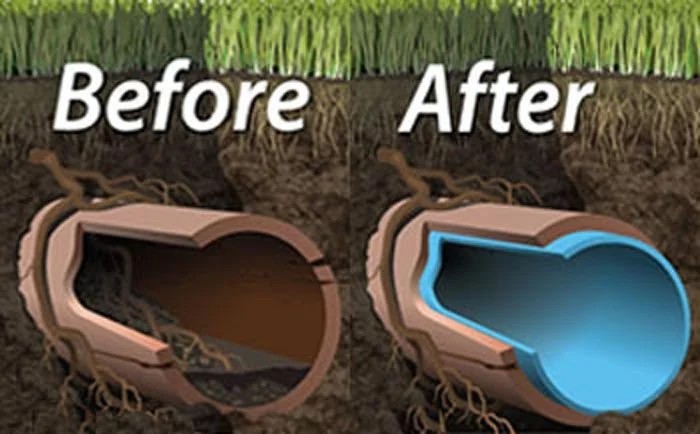
Pipe lining is a trenchless rehabilitation method that restores the interior of damaged or deteriorating pipes by inserting a flexible resin-saturated liner, inflating it to conform to the existing pipe, and curing it in place to form a seamless, jointless new pipe within the old one; this technique minimizes excavation, reduces disruption to landscaping and infrastructure, provides long-lasting corrosion and root intrusion resistance, improves flow capacity by smoothing interior surfaces, and is suitable for a wide range of applications including sewer, storm, and potable water lines when using appropriate materials and certified installation procedures.
water line replacement
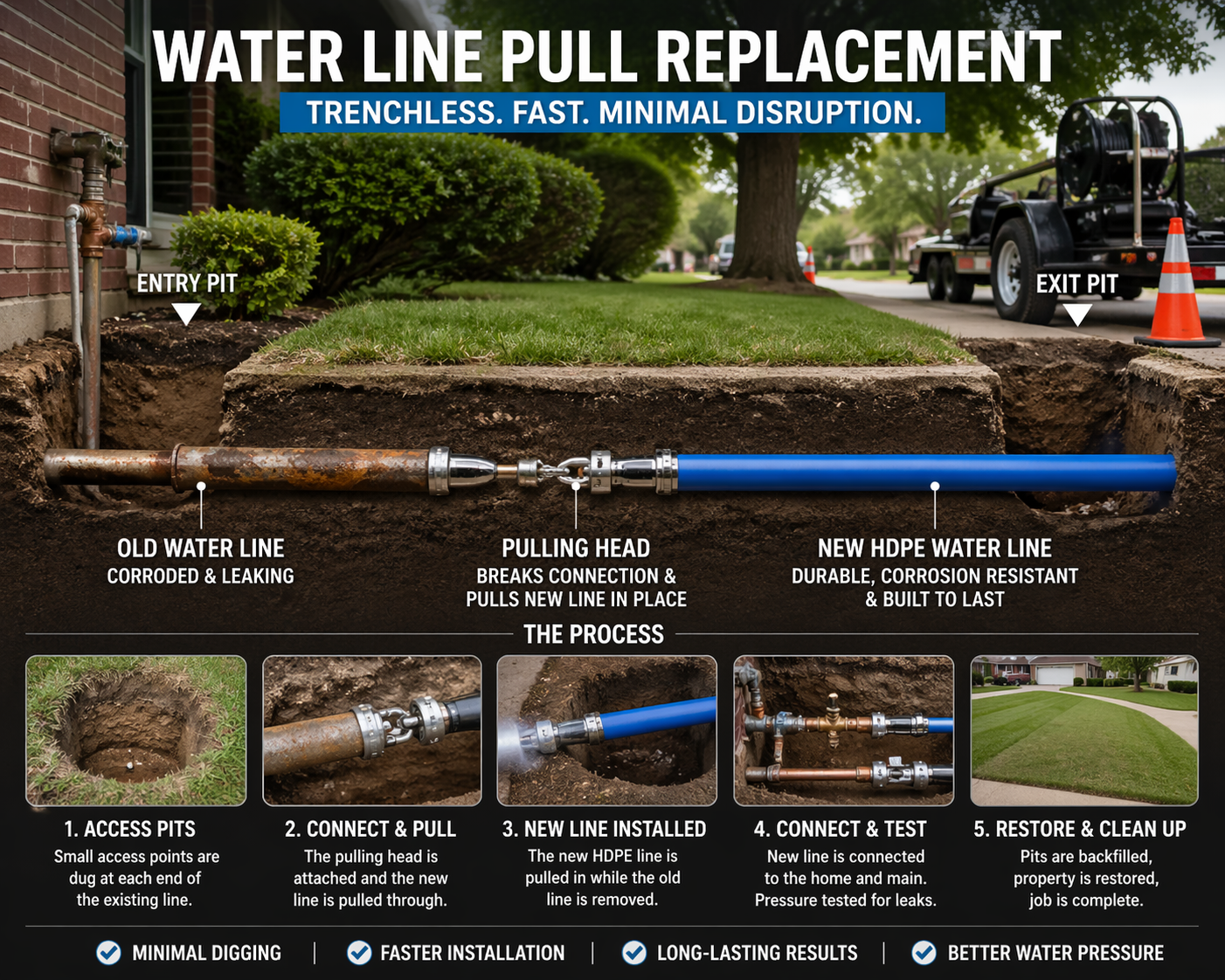
Water line pulling is a trenchless technique used to replace or install underground water mains by threading new polyethylene or PVC pipe through an existing conduit or cleared bore, minimizing surface disruption and excavation. Technicians attach the new pipe to a pulling head or swage that smooths transitions, then use hydraulic winches or directional drilling rigs to draw the pipe into place while maintaining proper alignment and slope for drainage and pressure. This method reduces restoration costs, shortens project timelines, and limits disturbance to landscaping, sidewalks, and roadways, making it ideal for urban environments and sensitive sites. Proper planning—including accurate utility locating, appropriate pipe material selection, and pressure testing after installation—is essential to ensure long-term performance and compliance with local codes.
Request a Detailed estimate
Submit the inquiry form to collaborate with a specialist who will design a tailored construction or maintenance strategy aligned with your objectives.